
Acacia: Australia’s Unsung Genus Genius
January Plant of the Month. Why wattles are smarter, tougher, and more important than you think. From soil regeneration and fire recovery to supporting wildlife and culture, Acacias are quiet heroes of Australian landscapes.
Regen Nurseries | 16 Jan 2026 | 5 min read
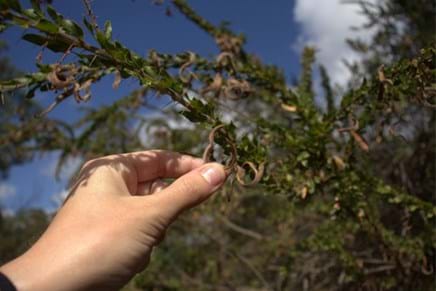
At Landscaping Victoria, we love shining a spotlight on the plants that quietly do the heavy lifting in our landscapes.
The ones that build soil, support biodiversity, and earn their place well beyond good looks.
Our new Plant of the Month series does just that. Each month in 2026, we’ll feature a plant that plays a meaningful role in Victorian landscapes, with insights shared by industry experts who work with these species.
This month’s feature is proudly contributed by Regen Nurseries, who are lifting the lid on one of Australia’s most iconic (and misunderstood) genera: Acacia.
Acacia Didn’t Know…
In case you didn’t know, we’re in awe of the wonderful world of wattles.
Keep reading, and you’ll become a Genus Genius too. You might even be able to impress your friends with the most boring fun facts around (you’re welcome)!
As the iconic yellow sunburst of wattle flowers fades, that joyful signal pulling us out of our winter slump, there’s more to celebrate than the end of daily antihistamines.
It’s also seed collection season.
Each seed lovingly collected, cleaned, and stored in our seedbank is a tiny genetic package holding the future of our landscapes, and the stories they tell are fascinating.
Ants, Seeds and Clever Design
Take Acacia melanoxylon (Blackwood). Its distinctive seeds are attached to a bright red funicle, a folded, fleshy seed stalk.
That bold colour isn’t accidental. Ants can’t resist it.
The funicle is a nutritious snack, rich in oils and proteins, and ants happily carry it away. This ant-powered seed dispersal system is an incredibly efficient way to spread seed, thanks to some of our smallest ecosystem partners.
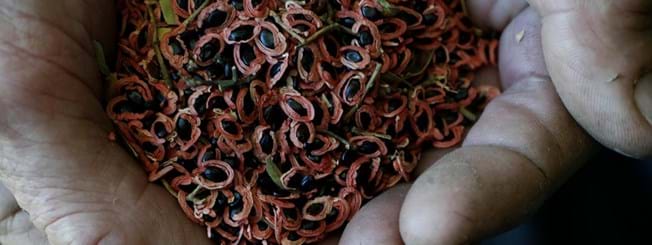
The distinctive Acacia melanoxylon (Blackwood) seed.
Nature’s First Responders
As temperatures rise into summer, Acacias prove themselves time and again as nature’s first responders (after the firefighters, of course).
Following disturbance events like fire, Acacias are often among the first plants to regenerate. Many species maintain dormant seeds in the soil seedbank, waiting for cues such as heat or smoke to trigger germination.
Once fire clears vegetation and releases nutrients, wattles spring back. Their roots stabilise soil, reduce erosion, and establish quickly, creating shade and conditions that allow slower-growing species to return.
We’ve learnt from nature, too, using techniques like smoke water, heat treatment, and scarification to help seeds overcome natural dormancy and kickstart growth.
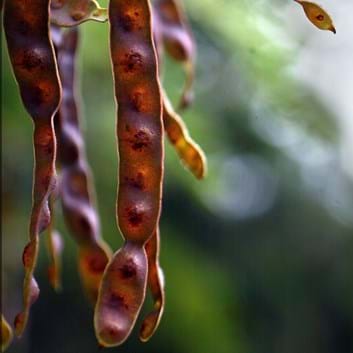
Blackwood Acacia seed funicle.
Rebuilding Soil from the Ground Up
In bush regeneration projects, degraded and weathered soils are a constant challenge. This is where Acacias become a secret weapon.
As members of the Fabaceae family, Acacias form symbiotic relationships with nitrogen-fixing bacteria housed in root nodules.
These bacteria convert atmospheric nitrogen into forms that other plants can use, slowly unlocking nutrients for the plant communities that follow.
Urban Ecosystems Need Wattles, Too
Acacias don’t just support bushland, they play a vital (and often overlooked) role in urban ecosystems.
Acacia paradoxa, the Kangaroo Thorn, is famously prickly, and that’s exactly the point. Its thorny structure provides crucial refuge for smaller native birds, protecting them from aggressive or dominant species that thrive in urbanised environments.
Planting these prickly shrub layers closer to home is an underrated and highly effective act of conservation.
Wattleseed and Deep Cultural Knowledge
Wattleseed, a well-known bush food harvested from species such as Acacia victoriae, Acacia pycnantha and Acacia longifolia, has been used by First Nations peoples for tens of thousands of years.
When roasted and ground, the seed produces aromatic, complex flavours often described as coffee, chocolate, or hazelnut; proof that native plants understood good taste long before espresso machines arrived.
It’s important to note that some Acacia species are poisonous, so please don’t go eating seeds from wattles in your local park.
More Than Just a Pretty Plant
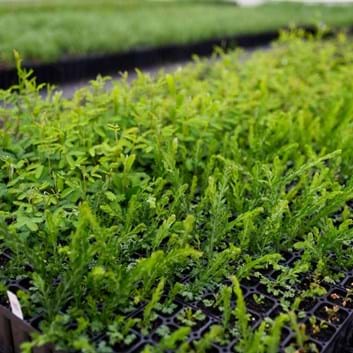
Acacia paradoxa, the Kangaroo Thorn.
From urban gardens and rural landscapes to large-scale restoration projects, including Acacias is about more than simple aesthetics.
It’s about:
-
Rebuilding soil health
-
Supporting wildlife
-
Restoring ecological processes
-
Creating resilient, future-ready ecosystems
Contributor: Regen Nurseries
At Regen Nurseries, Acacias are grown with intent, from carefully collected seed to contract-grown plants for restoration and landscape projects.
We’re proud to work with one of Australia’s smartest, toughest, and most misunderstood icons.
Want to learn more?
Whether you're a landscaping industry professional or a garden lover, you'll find more information about native and indigenous plants by visiting the Regen Nurseries website.
👉 Visit: www.regennurseries.com.au


