
Lomandra: The Low-Maintenance Native
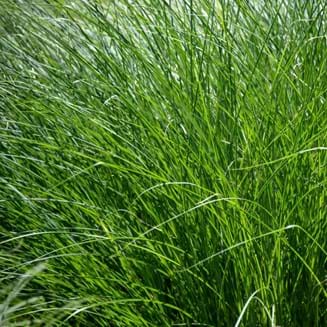
April Plant of the Month. Lomandra is a low-maintenance Australian native that delivers structure, erosion control and biodiversity benefits in one. It’s a go-to for resilient, climate-smart gardens across Victoria.
All Green Nursery & Garden | 20 Apr 2026 | 4 min read
In a changing climate, the plants we choose matter more than ever.
The ones that build soil, support biodiversity, and earn their place well beyond good looks.
Landscaping Victoria's Plant of the Month series does just that. Each month, we’ll feature a plant that plays a meaningful role in Victorian landscapes, with insights shared by industry experts who work with these species.
This month’s feature is proudly contributed by All Green Nursery & Garden, sharing their expertise on one of Australia’s most reliable and versatile native plants.
Lomandra, commonly known as mat rush, is one of those plants that quietly does the heavy lifting in a landscape. While its form may appear simple, this Australian native is a powerhouse, offering structure, resilience, ecological value, and deep cultural significance.
For landscapers and homeowners alike, Lomandra has become a go-to for low-maintenance, drought-tolerant planting that performs year-round in Australian conditions.
Why Lomandra Works So Well in Australian Gardens
A low-maintenance structural hero
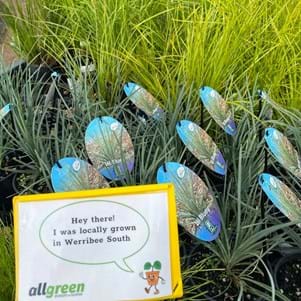
Lomandra varieties such as Lomandra longifolia, ‘Tanika’, ‘Lime Tuff’, ‘Little Con’ and ‘Frosty Tops’ are widely used as dependable backbone planting.
- Thrives in drought, heat, wind and poor soils
- Maintains a tidy, compact form with minimal pruning
- Ideal for borders, mass planting, and repeated design elements
It’s a staple in modern Australian landscape design, often replacing thirsty lawns and high-maintenance ornamentals.
Natural erosion control and slope stabilisation
Lomandra’s dense, fibrous root system makes it highly effective for:
- Stabilising slopes and embankments
- Reducing runoff and soil erosion
- Supporting coastal and roadside planting
This makes it a practical choice for both residential gardens and large-scale landscape projects.
Softening hardscape elements
Instead of harsh edges, Lomandra provides a softer, more natural transition between built and planted spaces.
- Softens pathways, driveways and retaining walls
- Blends seamlessly into contemporary and native garden designs
- Adds movement and texture without visual clutter
Supporting biodiversity
While understated, Lomandra plays an important ecological role:
- Provides shelter for small birds, lizards and insects
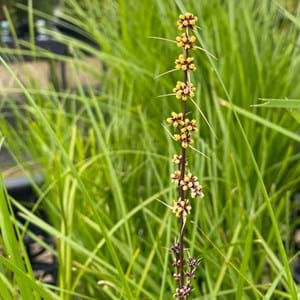
- Flower spikes attract pollinators
- Functions as an effective understory plant in native gardens
It’s a subtle but valuable contributor to biodiversity in urban landscapes.
Ideal for rain gardens and water-sensitive design
Certain Lomandra varieties tolerate periodic wet conditions, making them perfect for:
- Rain gardens and biofiltration systems
- Filtering stormwater runoff
- Water Sensitive Urban Design (WSUD) applications
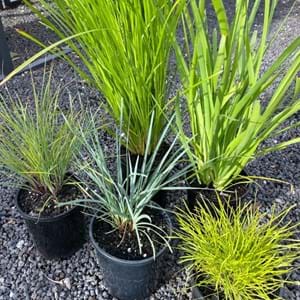
Designing your landscape with Lomandra
Lomandra is a versatile design tool that works beautifully in layered planting schemes.
- Pair with bold natives like kangaroo paw or banksia for contrast
- Use repetition to create rhythm and cohesion
- Fill gaps between feature plants without overcrowding
Different cultivars offer flexibility in style:
- Fine-leaf varieties (e.g. ‘Tanika’) create a soft, flowing look
- Broad-leaf forms (L. longifolia) feel more architectural
- Compact varieties suit small gardens, courtyards and pots
Cultural Significance and Traditional Uses for Lomandra
Lomandra has long been an important plant for Aboriginal peoples across Australia, valued for its strength, versatility and resourcefulness.
Fibre and weaving
- Leaves were processed into strong fibres
- Used to create baskets, mats, fishing nets and dilly bags
- Twisted into cordage for various uses
Food source
- The tender white base of young leaves was eaten
- Seeds were collected and processed
- Flower stems were sometimes chewed for moisture
Practical applications
- Leaves used for binding and tying
- Fibres incorporated into tools
- Knowledge passed down through generations as part of caring for Country
Why Lomandra Matters Today
Lomandra sits at the intersection of:
- Sustainable landscaping – low water use and climate resilience
- Ecological restoration – supporting soil health, habitat and water systems
- Cultural awareness – recognising and respecting Indigenous knowledge
Choosing Lomandra isn’t just a practical decision, it’s a way to create gardens that are more aligned with the Australian environment and its history.
About the Contributor
If you’re looking for a reliable, low-maintenance plant that delivers on both function and beauty, Lomandra is hard to beat.
Visit All Green Nursery & Garden at 130 Old Geelong Road, Hoppers Crossing, or speak with the team to find the right Lomandra variety for your space.
You can connect with the team at All Green Nursery & Garden by phoning (03) 9749 1688 visit their website.


