
Sun Protection Is a Workplace Safety Issue, And The Landscaping Industry Can’t Ignore It
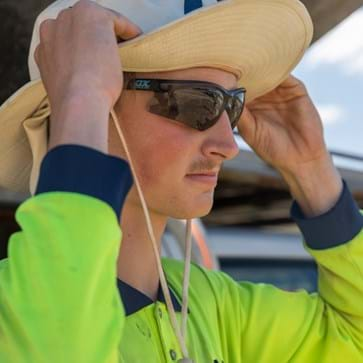
SunSmart Victoria is urging all workplaces with outdoor workers to implement formal sun protection policies. New research shows 1 in 5 Victorian businesses still don’t have one, despite clear evidence that policies improve sun safety behaviours and reduce risk. For landscaping businesses, UV protection is a crucial part of site safety. Access free policy support and training through SunSmart.
SunSmart| 16 Feb 2026 | 4 min read
For those of us working outdoors every day, the sun isn’t just part of the job; it’s a workplace hazard.
SunSmart Victoria is calling on Victorian workplaces to treat ultraviolet (UV) radiation with the same seriousness as any other occupational risk. Backed by new research from Cancer Council Victoria, the message is clear: progress has been made, but there are still critical gaps.
While most Victorian businesses with outdoor workers have a sun protection policy in place, 1 in 5 (or 21%) still do not.
In landscaping, where crews spend hours exposed to direct sunlight, that gap carries real consequences.
The UV Risk Is Real When Working Outdoors
Australia has some of the harshest UV radiation levels in the world and the highest rates of skin cancer. Outdoor workers can receive up to 10 times more UV exposure than indoor workers. Over time, that repeated exposure increases the risk of permanent skin damage and skin cancer.
The research shows workplaces with a formal sun protection policy are significantly more likely to provide:
-
UV-protective clothing
-
Broad-brim hats
-
Sunglasses
-
Accessible sunscreen
-
Structured sun safety practices
They also discuss UV protection nearly twice as often, on average 44 days per year, compared to 23 days in workplaces without a policy.
Policies shape behaviour, expectations and culture on site, and are much more valuable than a simple filler in a compliance folder.
A Safety Standard, Not a “Nice to Have”


We would never accept shortcuts when it comes to machinery safety, hi-vis, or steel-capped boots. UV protection deserves the same level of seriousness.
As WorkSafe Victoria has reinforced, employers have a legal duty to take reasonable steps to reduce the risks associated with UV exposure. That means having systems and processes in place to ensure workers are protected, even if they’re outdoors for only part of the day.
Sun exposure is cumulative. It builds over the years.
Warren, a retired horticulturalist from Footscray, knows this all too well. After being diagnosed with melanoma that spread to his brain, intestines and liver, he now considers himself fortunate to be cancer-free. Looking back, he believes his years working in the sun without adequate protection contributed to his diagnosis.
“I am certain my hours working in the sun contributed to my melanoma diagnosis. I remember times when us blokes were out in the blazing sun wearing just shorts and singlets, with nothing else to protect our skin. If I knew then what I know now, I would have covered up in a heartbeat."
“They called me a dead man walking at first diagnosis. But somehow, I made it through. I defied the odds and am one of the lucky ones. But when you learn just how preventable melanoma is, it makes you ask why all workplaces in Victoria aren’t being held to higher standards.”
Warren's reflection is sobering: if he had understood the long-term impact earlier, he would have taken protection far more seriously.
What This Means for Landscaping Businesses
Professionalism in landscaping extends beyond design, construction and horticultural expertise. It includes how we protect our people.
A documented sun protection policy:
-
Sets clear expectations
-
Supports supervisors and team leaders
-
Strengthens site culture
-
Demonstrates due diligence
-
Reduces long-term health risks
-
Aligns with legal obligations
Victoria is currently in our peak UV season, when UV levels consistently reach high and extreme ranges. Now is the time to review your workplace approach.
Access SunSmart Workplace Resources
SunSmart is encouraging all Victorian workplaces with outdoor workers to:
-
Enrol in UV Safety training
-
Develop or strengthen a formal sun protection policy
-
Access tailored policy support services
Skin cancer is largely preventable, yet it remains the most common cancer in Victoria.
For information, resources, policy templates and training support, visit SunSmart's website: sunsmart.com.au/advice-for/workplaces


